|
Cold Lake Veterinary Clinic - Diets
Feeding your Cat
Following the guidelines on this page will help you best avoid the unnecessary expense and heartache of dealing with these preventable diseases.
This handout was created to help you improve and maintain your cat’s health through diet management. Feeding appropriately is the best way to prevent
disease and improve your cat’s quality and length of life.
Diseases we commonly see that can be prevented or managed by feeding appropriately include:
- Obesity
- Diabetes
- Urinary Concerns
- Cystitis (inflammation of the bladder)
- Urinary Blockage
- Chronic Renal Failure
- Chronic vomiting and hairballs
- Chronic diarrhea
Following the guidelines listed will help you to best avoid the unnecessary expenses and heartache of dealing with these preventable diseases.
Canned Foods
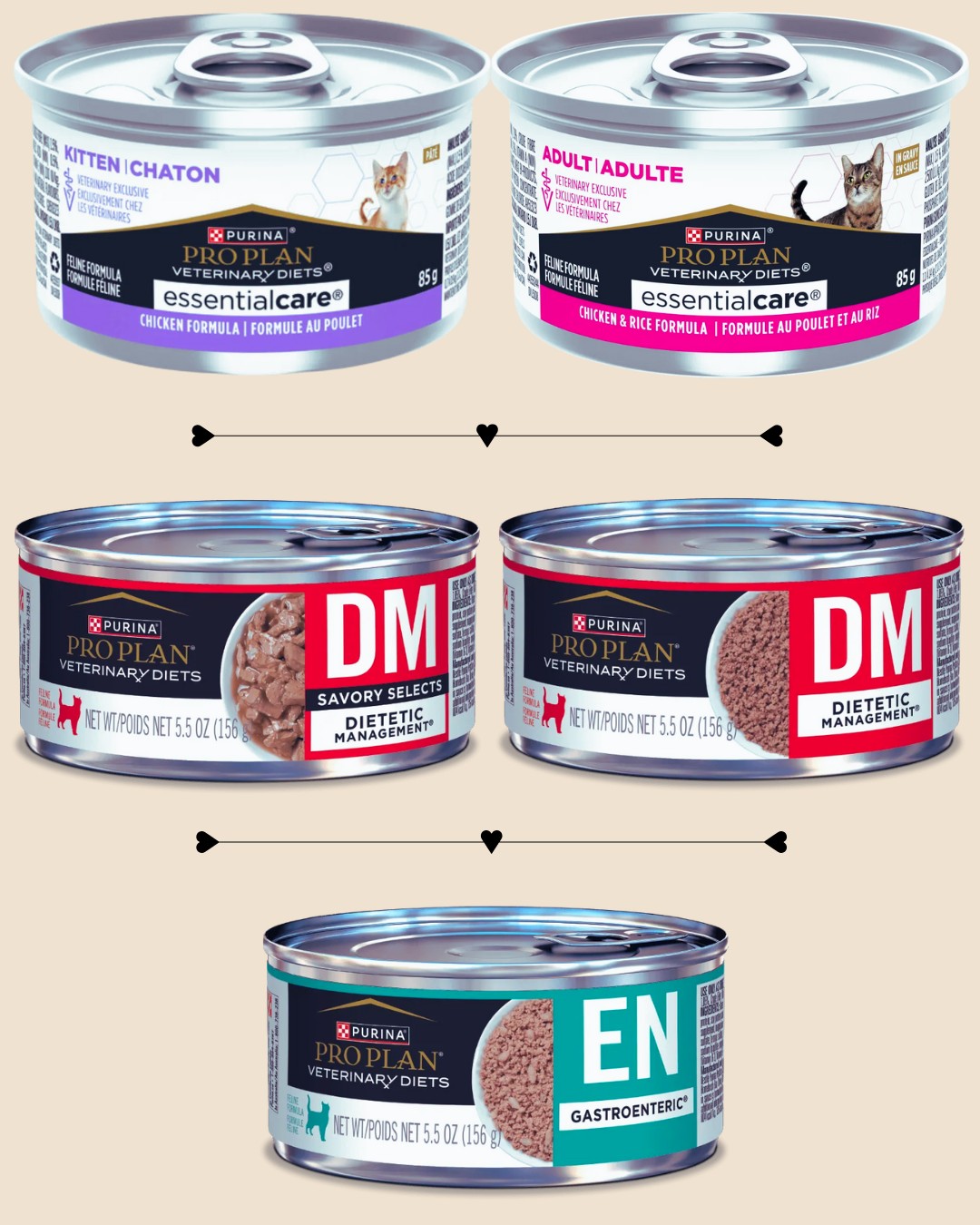
Veterinary canned foods which we recommend for cats because they contain the highest percentage of high quality protein are:
- Purina Veterinary Diets Essential Care
- Diets for kittens and adults
- Purina Veterinary Diets
- DM (Diabetic Management)
- EN (Gastroenteric)
- UR (Urinary)
- OM (Overweight Management)
There are several varieties of over the counter/pet store canned foods which are appropriate including: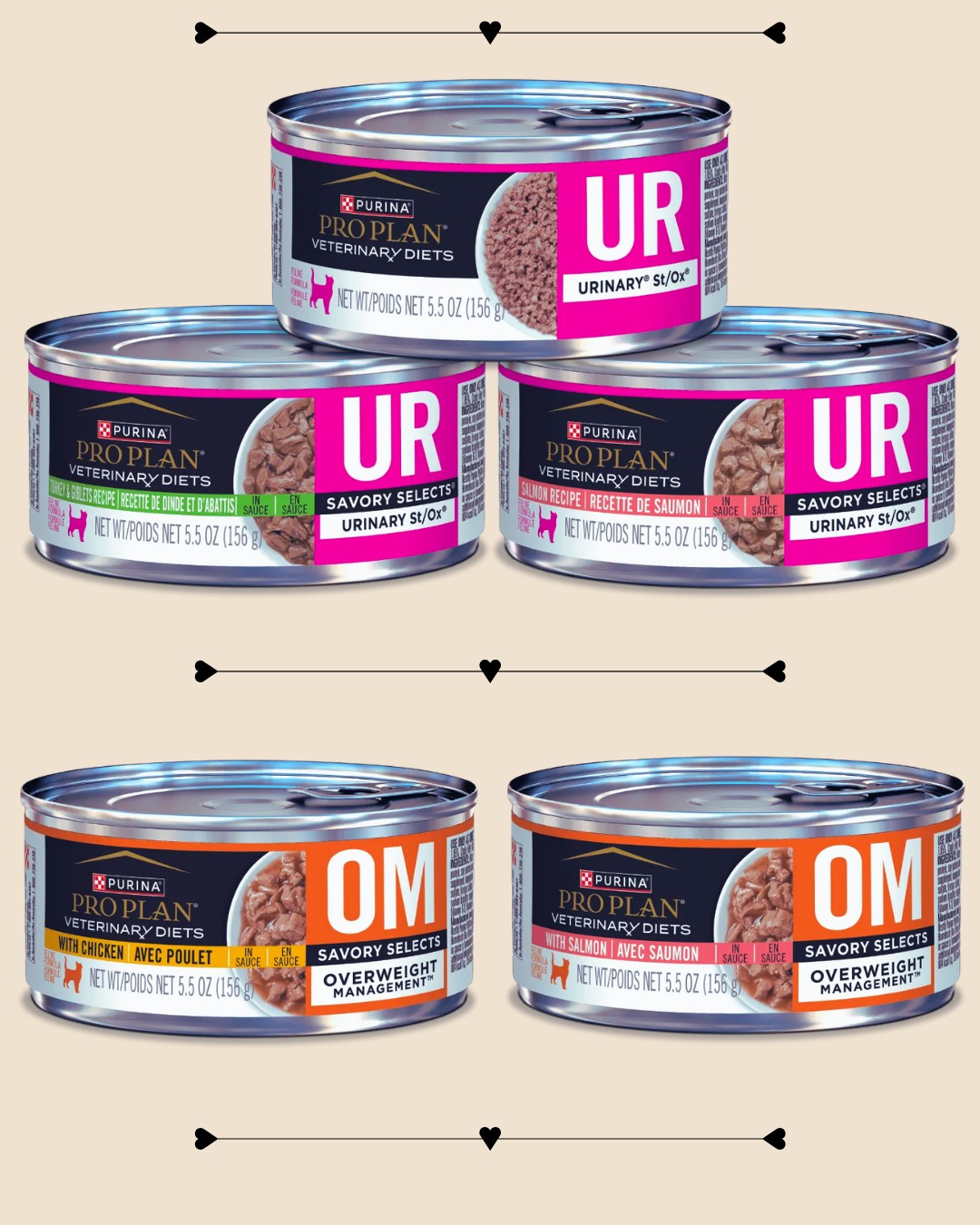
- Friskies (Pate & Shredded)
- Fancy feast (most varieties)
- Purina One
- Natural Balance
- Nutro
- Nature’s Variety
FOODS TO AVOID
Blue Buffalo and Science Diet canned foods as they are lower in protein and high in carbohydrates.
Dry Foods
Dry foods are less desirable, but if they must be fed, these are some higher protein, lower carbohydrate varieties we recommend:
- Purina Veterinary Diets
- DM
- EN
- Also considered are UR & OM
FOODS TO AVOID
Dry foods which are INAPPROPRIATE despite their “superior” or “ultimate” claims include:
- Blue Buffalo
- Acana
- Orijen
- Performatrin
Raw Diets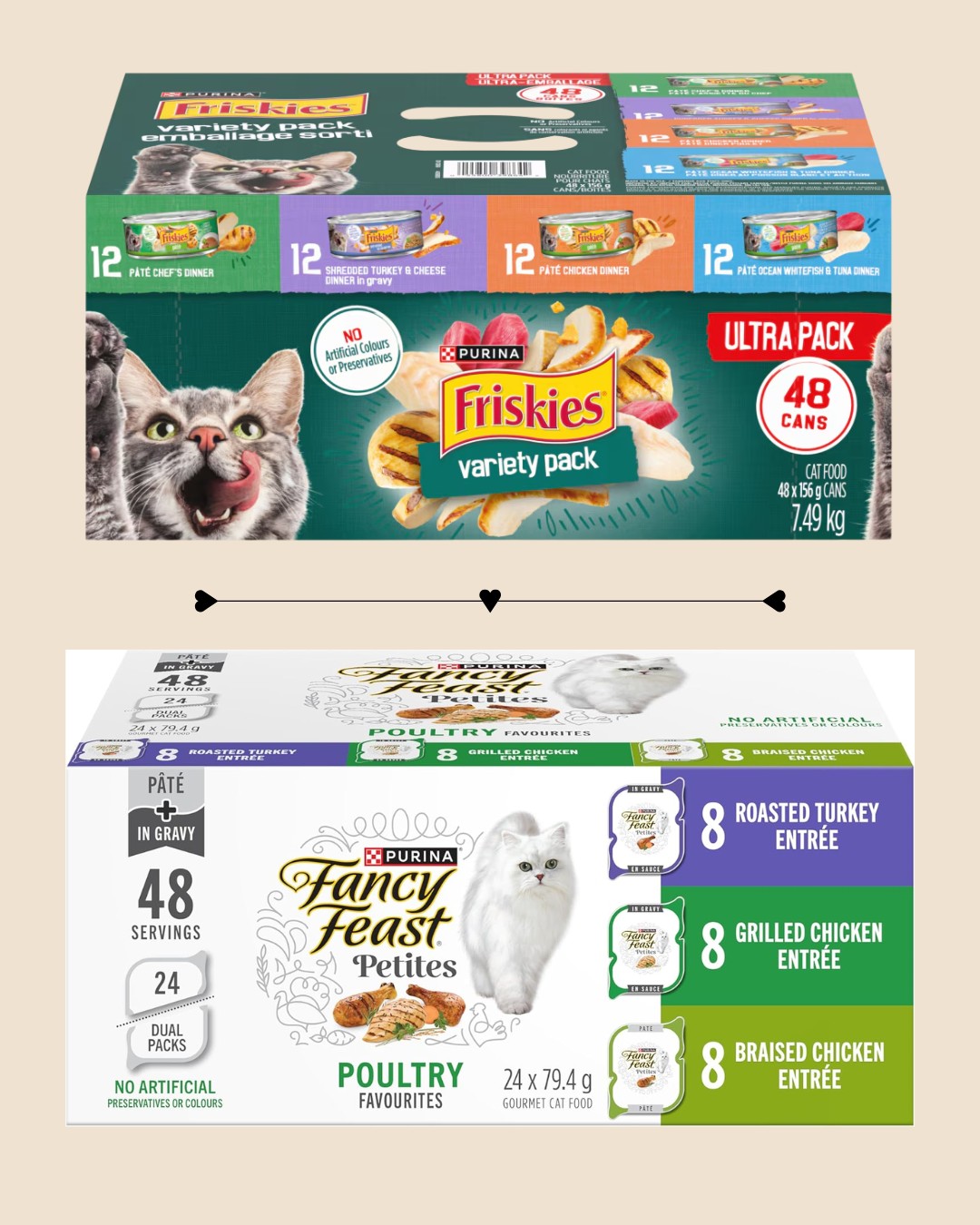
Generally, commercially prepared raw food diets have a good balance of protein and other nutrients. Home prepared raw diets can be difficult
to prepare properly and often lack certain nutrients.
IMPORTANT NOTE!
Uncooked raw diets can result in Salmonella, E. coli and Avian Influenza infections which can be ZOONOTIC (spread to people!)
Raw diets which have been cooked or heat pasteurized will avoid these concerns!
Decrease Carbohydrates
Because cats are true carnivores (meat eaters), they are less able to use carbohydrates as a nutritional ingredient compared to dogs and people.
Eating carbohydrates causes elevated blood sugar levels for prolonged periods. This causes weight gain and leads to the development of diabetes.
All dry foods need carbohydrates to form kibble. Therefore, all dry foods are generally too high in carbohydrates. Grain free diets are often thought
to be lower in carbohydrates but this is NOT true in most cases. Many of these diets replace grains with high carbohydrate fruits and vegetables
such as berries, potatoes and peas.
SOLUTION!
- Canned/high moisture diets are highly recommended!
- Feeding ANY CANNED food is better than feeding ANY DRY food!
- If a dry food needs to be fed (some cats can definitely be more picky!) there are veterinary diets that are lower in carbohydrates
that are more appropriate to feed your cat
*Please ask our knowledgeable staff when choosing a lower carbohydrate dry food*
Limit Calories
Just like us, cats often like to eat too much and move too little! The key to success when feeding your cat is to limit calories. In general cats need 200
-250kcal per day. This can vary depending on the age, activity level, frame size and health status of your pet.
SOLUTION!
- Please ask our staff about making a calorie count for your cat! This will help keep track of calories (again similar to humans counting calories!)
- This would take into account diets and treats!
- If your cat often asks for more food away from meal times, ask our staff for tips on how to help!
Calorie Calculator | Pet Nutrition Alliance
Increase Water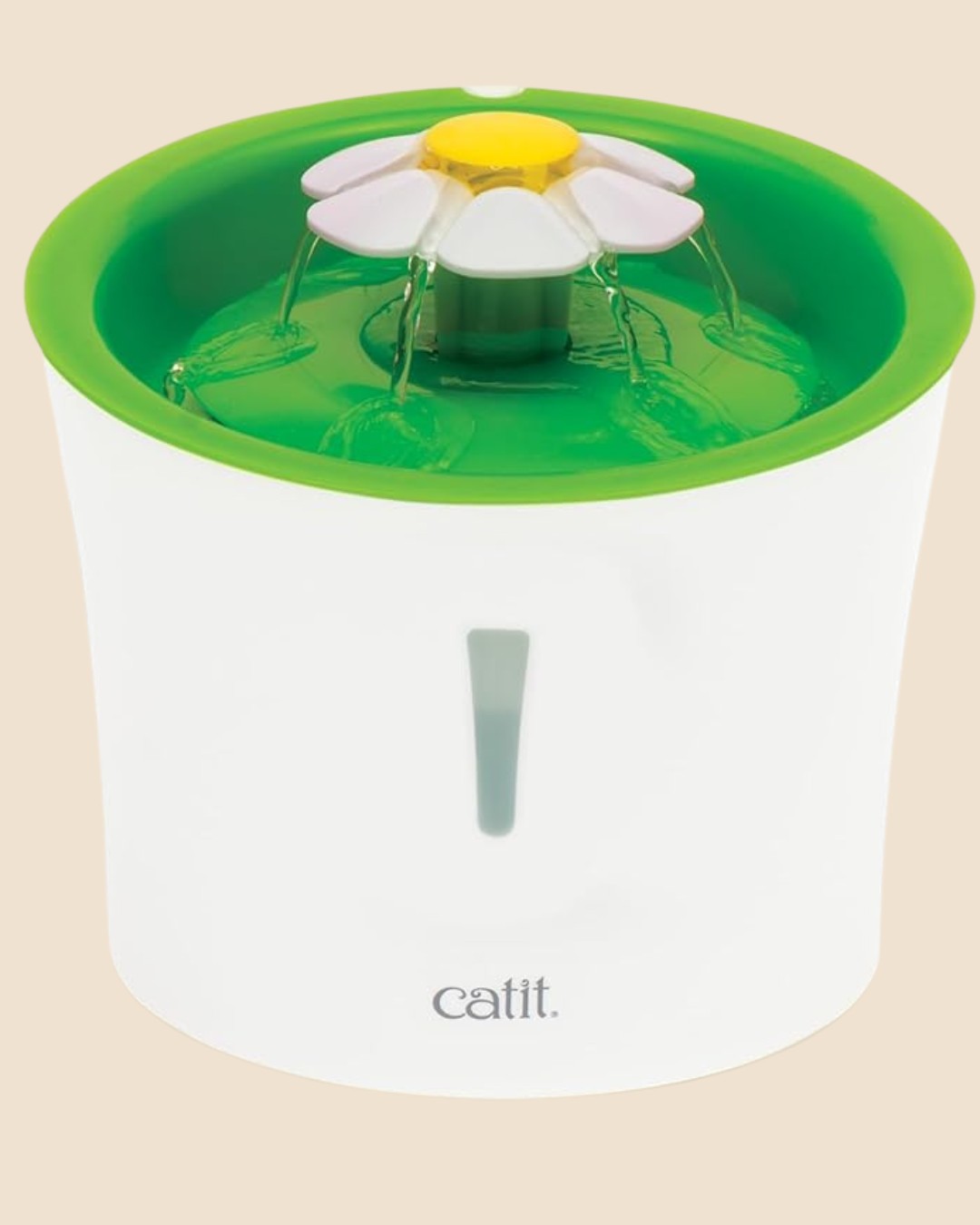
Urinary systems in ALL animals are healthier with the right amount of water flowing through them. Unfortunately, cats have very low thirst and
do not drink enough water when on a dry diet. Even if cats “drink a lot of water” they are most likely not getting enough water to be healthy.
FUN FACT!
Studies show that cats fed canned food consume more total water (water from their food + water from their water bowl) than cats that eat dry food!
Cats that consume more water have:
- More dilute urine = Less crystals and stones in the urine
- Less bladder irritation
- Healthier, more comfortable urination
- Better health
SOLUTION!
Feed a canned/high moisture diet and provide multiple sources of drinking water!
Increase Highly Digestible Protein
Unlike dogs, cats are true carnivores and are designed to eat a meat based diet. Cats are not designed to eat plant based proteins as a nutritional
ingredient. When looking at the protein content of foods, one must compare the protein % on a DRY MATTER basis to compare foods easily. Diets higher
in animal based proteins are best for your cat, especially as your cat ages.
Generally, Purina Veterinary Diets have a higher protein digestibility than over the counter foods.
SOLUTION!
• Feed a canned/high moisture diet.
• As your pet ages, discuss feeding appropriate veterinary diets to your cat!
For more information, please visit catinfo.org
| 

 Processing ....